
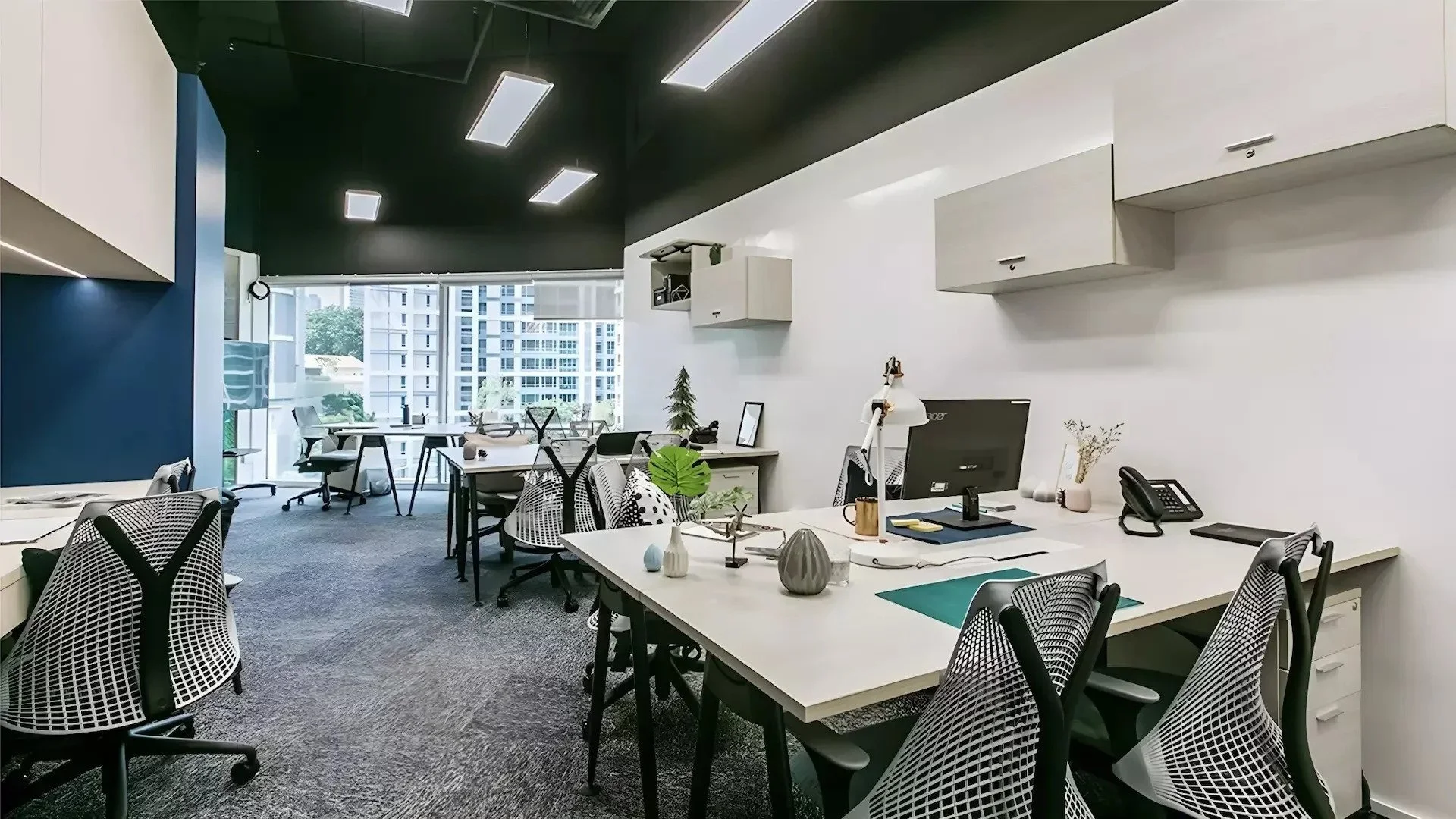
Moving into a private office coworking space is only the first step. How the workspace is arranged can have just as much impact on focus, collaboration, and day-to-day efficiency as the office itself. From desk placement and lighting to storage and branding, thoughtful adjustments can create an environment that better supports the way a team works.
Research shows that allowing employees to personalise their workspace improves both job satisfaction and productivity. Studies also estimate that 15 to 20% of people are neurodivergent, reinforcing the need for workplaces that accommodate different cognitive styles and sensory preferences. Features such as adjustable lighting, sound management, and flexible furniture can help create a more comfortable and productive environment for a wider range of working styles.
This guide explains how to customise a private office coworking space with practical improvements that enhance productivity, support employee wellbeing, and create a workspace that reflects your business.
First, Find Out What You Are Actually Allowed to Change
Before making any changes, it's important to understand what your coworking operator allows. While many providers are flexible with non-permanent modifications, structural changes and building services typically require prior approval. Confirming these guidelines early helps avoid unnecessary costs or delays later.
Check these key areas before purchasing furniture or decorating your office:
Wall fixtures: Adhesive hooks, removable picture strips, and magnetic boards are generally acceptable, while drilling usually requires written approval.
Existing furniture: Some operators allow desks and cabinets to be rearranged or stored if they are no longer needed. Check whether this requires prior approval.
Additional furniture: Bringing in your own furniture is often permitted, but it's worth confirming building access, weight restrictions, and any insurance requirements.
Paint and wall graphics: Vinyl decals or painted feature walls may be allowed, although reinstatement costs can apply when the tenancy ends.
Electrical installations: Any work involving power points, wiring, or fixed electrical equipment typically requires approval and must be completed by a licensed electrician.
Fire safety requirements: Furniture and decorative items must not obstruct emergency exits, sprinkler systems, smoke detectors, or door clearances.
Office signage: Door signs and glass branding are commonly permitted, but production and installation may require advance notice.
At Workcentral, fit-out requests are handled directly by the onsite community team, making it easier to discuss proposed changes, clarify requirements, and receive guidance before any work begins.
Optimise Your Workspace for Comfort and Productivity
Once the layout is in place, the next step is refining the workspace itself. Small improvements to lighting, acoustics, furniture, and the surrounding environment can make the office more comfortable to use throughout the day. Together, these elements contribute to a more functional workspace design that supports different working styles without requiring extensive renovations.
Improve Lighting for Everyday Comfort
Lighting plays a bigger role in workplace comfort than many people realise. While most coworking spaces provide general overhead lighting, adding task lighting can improve visibility for screen-based work and reduce eye strain during long hours at a desk.
Desk lamps with a warm to neutral colour temperature provide more focused illumination without altering the office itself. Where natural light is available, position workstations to minimise glare rather than placing monitors directly in front of or behind windows. Small adjustments like these can improve comfort throughout the workday while making better use of the existing environment.
Manage Noise Without Major Renovations
Even within a private office in a coworking space, noise can become a distraction. Glass partitions and enclosed rooms often reflect sound, making conversations and video calls feel louder than expected.
Instead of making permanent changes, consider portable solutions such as acoustic panels, rugs, fabric storage units, or bookshelves placed against shared walls.
For confidential meetings or lengthy calls, using dedicated phone booths or meeting rooms
often provides a quieter setting while helping maintain a focused environment inside the office. Noise-cancelling headphones can also help employees concentrate when background activity increases.
Create a Comfortable and Ergonomic Workspace
A comfortable workspace supports both employee wellbeing and day-to-day performance. Paying attention to office ergonomics helps reduce physical strain, while an organised desk can make it easier to stay focused throughout the workday.
Start by adjusting chairs so employees can maintain proper posture and, where possible, position monitors at eye level. Standing desks, monitor arms, and effective cable management can further improve comfort while keeping workstations organised. Research found that employees working in organised workspaces experienced a 15% increase in productivity compared to those in cluttered environments.
Keeping desks free from unnecessary cables and clutter can therefore improve both comfort and concentration without requiring permanent changes to the office.
Personalise the Space to Reflect Your Business
A workspace should feel like an extension of the business occupying it. Simple changes can strengthen brand identity while creating a more welcoming environment for employees and visitors.
Door signage, frosted vinyl, removable artwork, and carefully selected office decor allow businesses to personalise their office without risking reinstatement costs. Rather than filling every available surface, choose a consistent colour palette and decorative elements that complement the space. When considering how to decorate office interiors, a restrained approach often creates a more professional impression than adding excessive decoration.
Introduce Natural Elements Into the Office
Thoughtful office decoration ideas extend beyond branding. Incorporating natural elements can create a more comfortable atmosphere while softening the appearance of enclosed workspaces.
Low-maintenance indoor plants such as snake plants, pothos, ZZ plants, and aglaonemas are well suited to air-conditioned office environments. These small office ideas add greenery without requiring significant upkeep, while self-watering planters can help businesses maintain healthy plants with minimal effort. Together, natural light, greenery, and organised surroundings contribute to a workplace that feels more balanced throughout the day.
Apply Feng Shui Principles Thoughtfully
Many businesses in Singapore consider feng shui office principles when planning their workspace. Whether viewed as a cultural practice or a way to create a more organised environment, several recommendations also align with practical workplace design.
Positioning desks where employees can comfortably see the entrance without sitting directly in line with the door can create a stronger sense of awareness. Keeping walkways clear, reducing unnecessary clutter, and incorporating healthy plants all contribute to a workspace that feels open and organised.
Rather than treating feng shui as a set of rigid rules, businesses can apply these principles alongside practical design decisions to create a comfortable office for everyone.
Fine-Tune the Workspace Over the First Month
There's no need to complete every improvement at once. Taking a phased approach gives the team time to settle into the space, identify what works well, and make practical adjustments based on daily experience.
Day 1: Confirm what changes are permitted with your coworking operator before purchasing furniture or installing decorations. Keep a written record of any approvals.
Week 1: Finalise the office layout, adjust workstations, and introduce task lighting or monitor arms where needed to improve everyday comfort.
Week 2: Add acoustic solutions and additional storage if the team needs better organisation or a quieter working environment.
Week 3: Install branding elements, personalise the workspace, and introduce low-maintenance indoor plants to create a more welcoming office.
By Day 30: Gather feedback from the team and identify any remaining pain points. Small refinements based on how the office is used often have the greatest long-term impact.
Create a Workspace That Grows With Your Team
An effective office continues to evolve as a business grows. Making thoughtful adjustments to the environment helps create a workspace that supports everyday operations, encourages collaboration, and remains comfortable for its users.
The most valuable improvements are often practical rather than extensive. A well-planned office layout, comfortable furniture, effective lighting, and subtle branding all contribute to a private office coworking space that reflects your business while supporting productivity over the long term.
Workcentral provides the flexibility to personalise your workspace without the complexity of a traditional office fit-out. Explore the available private office options or book a tour to find a space that works for your team.
Frequently Asked Questions
If you're still comparing your options, these answers address some of the practical questions businesses often ask before customising a private office in a coworking space.
Can you customise a private office in a coworking space?
Yes, although the level of customisation depends on your coworking operator's policies. Non-permanent additions such as lighting, signage, removable wall décor, storage, and acoustic solutions are commonly permitted. Structural changes, painting, drilling, and electrical work typically require prior approval, so it's best to confirm the guidelines before making any modifications.
Which is better, a private office or a shared office?
The right choice depends on how your team works. A private office is well suited to businesses that need greater privacy, dedicated workstations, or a quieter environment for meetings and focused work. Shared workspaces are often a better fit for individuals or smaller teams that value flexibility and don't require an enclosed office every day. Many businesses also combine both by using a private office alongside hot desk memberships.
Why choose a private office in a coworking space?
A private office offers the privacy of a dedicated workspace while reducing many of the responsibilities associated with a traditional office lease. Furniture, internet, utilities, and shared facilities are typically included in a single membership, allowing businesses to move in quickly and adapt their workspace as requirements change.
How can you create more privacy in a glass-walled office?
Simple additions can make a noticeable difference. Frosted window film helps improve visual privacy without blocking natural light, while acoustic panels, bookshelves, or fabric furnishings can reduce noise within the office. For confidential conversations, booking a meeting room or phone booth provides an additional layer of privacy.
Can you bring your own furniture into a coworking office?
In many cases, yes. Some operators allow businesses to replace or supplement standard furniture, although building access, weight restrictions, and insurance requirements may apply. It's also important to ensure that any additions comply with fire safety regulations and do not obstruct emergency access.
What's the best way to reduce noise in a glass-walled office?
Glass surfaces naturally reflect sound, which can make enclosed offices feel noisier than expected. Introducing soft furnishings, acoustic panels, rugs, or fabric-covered storage helps absorb sound and improve acoustic comfort. Encouraging employees to use meeting rooms or phone booths for longer calls can also create a quieter working environment for the rest of the team.
