
Singapore’s office market now offers more options than ever, especially for businesses searching for the top coworking spaces in Singapore. Companies can choose from large international chains with rows of hot desks to smaller boutique spaces that focus on quieter and more professional environments. Many promise the right mix of location, pricing, and amenities, but not all deliver a smooth day-to-day experience.
The market is also growing quickly. Singapore’s coworking sector was valued at $88.2 million in 2023 and is projected to reach $407.8 million by 2030, growing at a compound annual growth rate of 24.3%. As more operators enter the market, businesses have more choices, but they also need to look beyond polished websites and marketing claims when comparing the top coworking spaces in Singapore.
This guide looks at what separates a reliable workspace from an average one, how different providers compare, and where Workcentral fits within Singapore’s growing coworking market.
Demystifying the Search for the Top Coworking Spaces in Singapore
Most workspace searches start with photos and price tags, which makes sense as a first filter. The problem is that neither tells you much about the actual day-to-day experience.
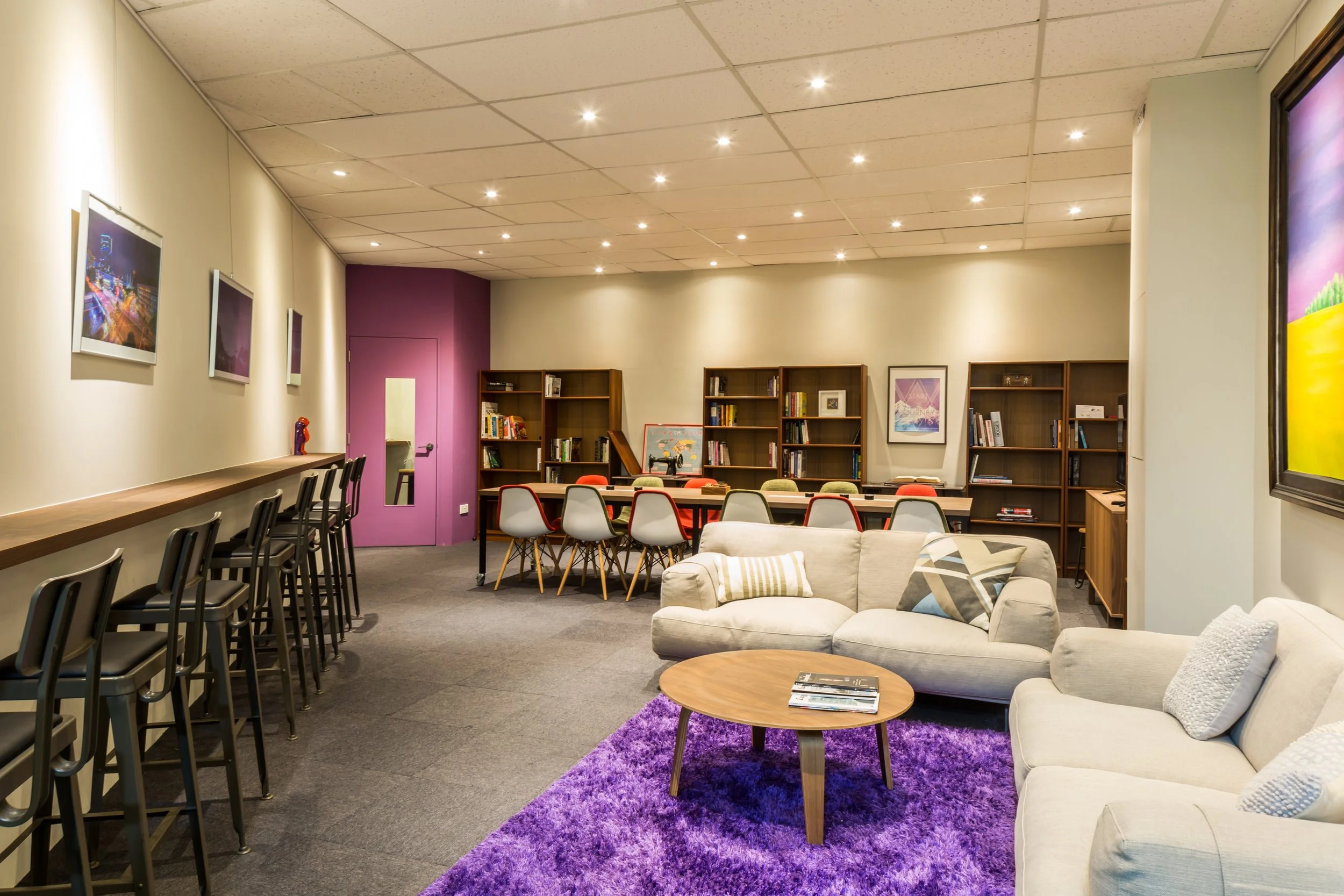
A well-lit interior shot says nothing about meeting room availability, workspace density during peak hours, service responsiveness, or the space's reliability on a busy workday. Accessibility also matters more than many businesses expect, especially when teams and clients commute regularly.
Before comparing providers, it helps to know what questions to ask. The sections below cover the three most common friction points: hidden costs, overcrowding, and location trade-offs.
The Real Cost of Aesthetic Workspaces
Design-focused coworking spaces in Singapore often come with higher prices. For founders who network often, teams that care about branding, or businesses that run events, these spaces can still be useful because they create a strong first impression. The issue usually comes from the extra costs that are not obvious at first glance.
Meeting room fees are one of the most common examples. A membership may include monthly meeting room credits, but a few longer meetings can use them up quickly. Some providers also charge extra for printing, mail handling, and dedicated phone lines.
Each fee may seem small on its own. Over time, however, these costs can add up and push the monthly spend much higher than the advertised membership price. That is why it helps to compare the total monthly cost, not just the starting rate.
The Problem With Overcrowded Mega-Hubs
High membership volumes are often marketed as a sign of an active community. For some entrepreneurs, especially those who enjoy networking and social interaction, that type of environment can be a good fit. Others prefer quieter spaces that make it easier to focus throughout the workday.
When too many people share the same workspace, everyday tasks can become less efficient. A 2026 workplace study found that 71% of employees said office distractions reduced their productivity, with noise listed as the biggest issue in shared work environments.
In busy coworking spaces, this often shows up in practical ways. Hot desks can become difficult to find during peak hours. Meeting rooms may book out quickly, making it harder to schedule client presentations or team discussions. Phone booths and communal areas can also become noisy when too many members use the space at the same time.
Not every business needs the same type of environment. Some teams value a busier and more social setup, while others need a quieter space for focused work and client calls. Spaces that manage member capacity more carefully often provide a more consistent day-to-day experience.
Location vs. Transit Friction
Budget coworking spaces in outer districts or industrial areas may look more affordable at first. The downside often appears when clients need to visit or when teams need quick access to meetings in the CBD. Longer travel times can also make daily commutes less convenient.
Location also shapes how a business presents itself. A workspace near Dhoby Ghaut MRT, for example, gives teams and clients easier access through multiple train and bus routes. For businesses that meet clients regularly, convenience and accessibility often matter more than saving a small amount on monthly rent.
Head-To-Head: How Workcentral Compares to the Competition
Singapore’s coworking market broadly falls into three tiers: global chains, budget operators in suburban or industrial areas, and independent boutique spaces positioned between the two. Here’s how the differences play out in practice.
Workcentral vs. The Mega-Chains
Large global coworking brands offer clear advantages. Their international networks suit frequent travellers who need workspace access across different cities. Many also run large networking events and offer polished, enterprise-style office environments that appeal to bigger companies.
For many SMEs and local businesses in Singapore, daily operations matter more than global access or large-scale community events. Teams often prioritise reliable support, practical facilities, and a workspace that works smoothly every day.
Large operators usually manage billing, membership changes, and support requests through apps or centralised systems. Simple requests can take longer when members need to submit tickets or wait for remote support teams.
Workcentral focuses more on direct support. Its on-site team handles reception services, mail handling, and operational requests in person. Businesses that regularly host clients also benefit from having a professional front desk and staff who are available throughout the workday.
Workcentral vs. The Budget Operators
Budget coworking spaces can work well for freelancers, solo professionals, and early-stage startups that mainly want a low monthly cost. For businesses with simple workspace needs, these spaces can provide a practical starting point.
The trade-offs usually appear in the day-to-day experience. Some budget operators run from older buildings with more basic infrastructure. Internet speeds may vary during busy hours, meeting rooms can be limited, and shared facilities may not receive the same level of upkeep as higher-tier spaces.
Location also makes a difference. Spaces outside central business areas may cost less, but they can become less convenient for client meetings, team collaboration, or daily commuting. For businesses that regularly host clients, the overall office environment also shapes how professional the company appears during meetings and presentations.
Workcentral sits between premium chains and lower-cost operators. It offers flexible workspace options for SMEs and growing teams while maintaining a central location, reliable facilities, and on-site support.
The Value Matrix: Transparent Contracts Over Fixed Terms
Traditional office leases in Singapore often lock businesses into contracts that last two to three years, usually with penalties for early exit. Some larger coworking brands also require six to twelve-month commitments to access their lower-priced plans, even though they promote flexible working. Workcentral offers month-to-month arrangements instead. Businesses can scale up, reduce space, or adjust their setup more easily as team sizes and work arrangements change.
For startups and SMEs, this flexibility can make day-to-day operations easier, especially during periods of growth, hiring changes, or restructuring.
The Smart Coworker’s Comparison Checklist
When comparing the top coworking spaces in Singapore, the biggest differences often appear in daily operations such as service quality, workspace availability, flexibility, and overall convenience. Businesses are also paying closer attention to these factors today. A recent survey found that 65% of corporate real estate decision-makers expect workspace budgets to increase through 2030. It shows that companies now view workspace selection as an important business decision rather than just a rental expense.
Here are the factors professionals should compare when evaluating coworking spaces in Singapore.
1. Prime central location (within 5 minutes of a major MRT interchange)
Workcentral: Located near Dhoby Ghaut MRT with easy access to multiple train and bus routes
Global mega-chains: Some locations are near the CBD, while others are farther from central areas
Industrial budget spaces: Usually located in outer districts or industrial zones with fewer transport connections
2. Transparent, all-inclusive pricing
Workcentral: Clear pricing with meeting room credits and essential services included upfront
Global mega-chains: Lower starting rates, but extra charges for add-ons can increase monthly costs
Industrial budget spaces: Lower prices, but fewer included amenities and more basic facilities
3. Flexible terms with short exit notice
Workcentral: Month-to-month plans available for businesses that need flexibility
Global mega-chains: Lower-priced plans often require 6 to 12-month commitments
Industrial budget spaces: Some offer flexible terms, but service quality can vary between locations
4. Managed capacity and a focused environment
Workcentral: Workspace capacity managed to support focused work and everyday comfort
Global mega-chains: Larger member volumes can lead to crowded common areas during busy hours
Industrial budget spaces: Often quieter, but usually because fewer people use the space overall
5. On-site administrative and reception support
Workcentral: On-site team available for reception, mail handling, and member support
Global mega-chains: Many rely on apps or centralised support systems with limited on-site assistance
Industrial budget spaces: Usually more self-managed with fewer support services available
6. Quality communal facilities: lounge, pantry, and phone booths
Workcentral: Includes lounge areas, pantry access, and private phone booths for daily use
Global mega-chains: Well-equipped facilities, though shared among a much larger member base
Industrial budget spaces: More limited shared facilities, often with only basic pantry or kitchen areas available
True Cost Transparency: Unpacking the Hidden Fees of Coworking
The advertised monthly price does not always reflect the actual cost of a coworking space. When comparing shared offices in Singapore, it helps to check which services are included and which ones come with extra charges.
The Fine Print on Amenities and Overages
Many coworking spaces include internet access in their plans, but faster or dedicated connections may cost extra. Some providers also charge separately for printing, mail handling, and other day-to-day business services.
Each extra fee may seem manageable on its own. However, these charges can increase the total monthly cost more than expected. Workcentral includes essential services upfront so members have a clearer picture of their monthly expenses before signing up.
Meeting Room Credit Systems Decoded
Many larger coworking brands use meeting room credit systems. Members receive a monthly credit allowance, then use those credits when booking meeting rooms.
The system can work well for businesses that only hold occasional meetings. For teams that regularly host client presentations or internal discussions, credits can run out quickly. Once that happens, additional booking fees apply, and costs can rise fast.
For SMEs and growing teams, this can make monthly budgeting less predictable. Clear meeting room policies and transparent inclusions help businesses manage costs more easily.
Finding the Right Fit
A workspace may look good during a scheduled tour, but the real test is how it performs during a normal workday.
For businesses comparing the top coworking spaces in Singapore, it helps to visit during working hours. Check whether desks are available, whether meeting rooms are easy to book, and how quickly staff respond to questions. Look at how the space feels when people are actively working, not just when the office is quiet.
Workcentral provides flexible workspace options for SMEs, freelancers, and growing teams that want a professional environment without committing to a traditional office lease.
Book a tour to see how the space works day to day.
Frequently Asked Questions
What makes Workcentral stand out among the top coworking spaces in Singapore?
Workcentral sits between the large chains and the budget operators: a centrally located, professionally run space with transparent pricing and an on-site team. Private offices, dedicated desks, hot desks, and meeting rooms are available across flexible membership plans. The environment is sized for productivity rather than maximum occupancy.
How do Workcentral’s membership terms compare to larger competitors?
Most major flexible office chains require a six to twelve-month commitment for their best-value plans. Workcentral offers month-to-month arrangements, which give businesses the flexibility to scale up, scale down, or reconfigure without being locked into terms that may not fit their situation a few months down the line.
Are there hidden fees for amenities like meeting rooms or internet at Workcentral?
No. High-speed Wi-Fi, cleaning, and essential utilities are included. Meeting room credits are clearly stated upfront. There are no surprise charges at the end of the month.
Is Workcentral suitable for focused work, or is it primarily a networking space?
Both. Primary work areas are set up for quiet, focused work. Phone booths and private offices handle calls and confidential conversations. Lounge and pantry areas sit separately, so members can move between focused work and a break without one affecting the other.
