
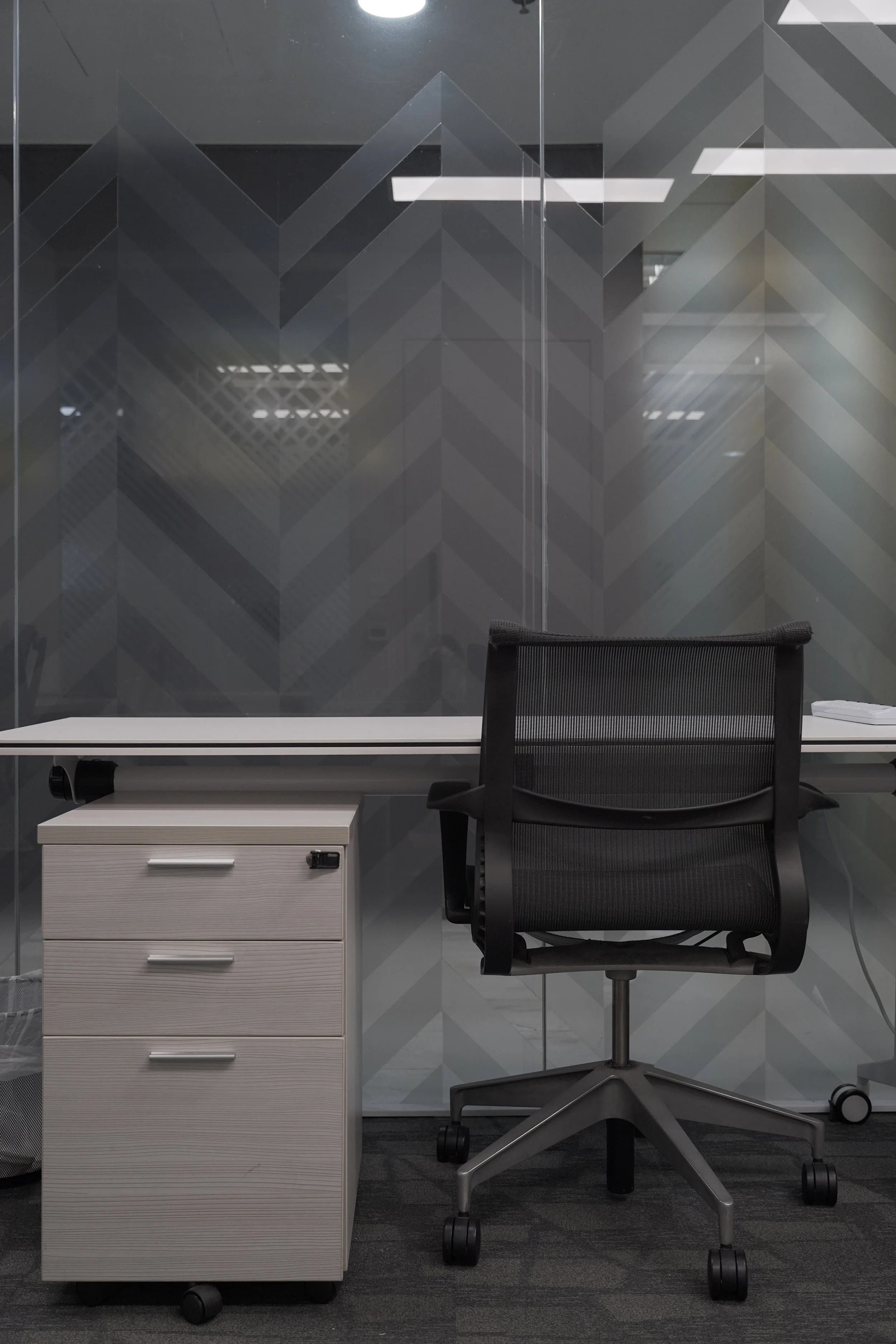
Singapore workplaces already offer plenty of strengths, from reliable internet to central addresses and good places to meet clients. Even so, many teams are looking for more focus and energy at work. A Singapore Workplace Report found that 14% of the country's workforce is engaged at work, compared with 25% across Southeast Asia and 20% globally, which leaves real room to grow. The same report puts daily stress among Singapore employees at 43%.
Many factors shape figures like these, and the arrangement of a desk is one small, easy-to-change piece. The room people sit in every day still matters, and founders moving into a new private office often ask how to set it up well. In Singapore, that question frequently leads to feng shui.
A feng shui office is a workspace arranged to feel calm, orderly and easy to move through. This guide explains how to set one up in a private office suite, from desk position and lighting to plants and colour, and it keeps tradition and evidence clearly separate along the way.
What Feng Shui Means for an Office Layout
Feng shui has shaped Singapore homes and shopfronts for generations, and offices now draw on it too. A little background makes the layout choices in later sections easier to follow.
Feng Shui as a Way of Reading a Room
Feng shui is a Chinese tradition that looks at how people relate to the spaces they use. Its central idea is qi, the energy said to move through a room. You can take qi as literally or as figuratively as you like, because most of the advice matches things designers already value: clear walkways, good light, a view of the door and a space that feels cared for.
Office feng shui in Singapore also tends to stay practical. Architect and feng shui practitioner Cliff Tan told the Public Service Division that it is "about applying common sense and instinct". On the other hand, Feng shui master Joey Yap, speaking to EdgeProp in February 2026 about homes, said that the surrounding environment matters more than ornaments, crystals and colours. He suggested a simple test: notice how you feel when you walk in. The same test works in an office.
How Energy Flow Shapes the Way a Room Works
In feng shui, qi moves best through a space that is open and balanced. In a compact Singapore suite, workspace energy often comes down to how easily people can walk, sit and reach what they need. When a chair has room to slide out, and a clear line runs from the door to the window, the room supports the people in it.
Start by walking the space the way a visitor would. Keep a clear path from the entrance to each desk, leave room to pull a chair out, and place tall furniture along the walls, away from doorways. These are ordinary layout decisions, and they are also most of what office layout feng shui involves.
The Five Elements in a Work Setting
Traditional feng shui describes five elements, and a balanced room draws on each of them. In an office, they tend to show up like this:
Wood: plants, timber furniture and green tones
Fire: warm lamp light and small touches of red or orange
Earth: beige, sand and brown tones, ceramics and stone
Metal: white and grey finishes, metal frames and shelving
Water: blues and blacks, glass and flowing shapes
A good mix keeps an office feeling warm and professional. Metal and glass bring a clean, modern look, and a few accents from the other elements add welcome warmth. The aim is a sensible blend that suits your team.
Desk Position and the Command Position
Your desk is where most of the working day happens, so its position sets the tone for everything around it. Practitioners agree on this rule more than any other, which makes it the best place to begin.
What the Command Position Is
A command position desk sits diagonally across from the main door, with a solid wall behind it. From there, you can see who comes in, and you sit just off the line of the entrance. The Public Service Division article gives the same advice: face the entrance while sitting slightly off its direct line.
The logic is easy to follow. People tend to feel more at ease when they can see the door and notice who is arriving. The solid wall adds a sense of support. This is the feng shui desk position most practitioners recommend, and it is a strong anchor for any office feng shui rules you decide to follow.
Seating Positions That Keep You Settled
Facing the door is the arrangement practitioners prefer. It lets you greet visitors as they arrive and keeps your attention on your work, since you can see who is coming in. A desk that looks out across the room or towards a window is also said to support forward thinking, and a whiteboard, calendar or piece of artwork gives a wall plenty of interest if your desk faces one.
One common exception is worth knowing. People who work across several screens may concentrate best facing a wall, because it keeps their attention on the work in front of them.
Making Small or Shared Layouts Work
Compact suites with a fixed door and window can still deliver a strong layout with a few simple adjustments. If your back faces the door, place a small mirror or angle a monitor so you can see the entrance.
If you sit with your back to a large window, which feng shui sees as missing support, choose a high-backed chair and use blinds to keep glare under control. Structural pillars have sharp corners, known in feng shui as poison arrows. Position your seat so the corner points elsewhere, or place a plant in front of it to soften the edge.
To size a room before you arrange it, our guide to how much office space a team needs is a useful reference.
Entrances, Light and Plants
The edges of a room often shape how it feels more than the furniture in the middle. Small touches at the door, the window and the corner shelf add up quickly.
Keeping the Entrance Open
Feng shui calls the door the mouth of qi, the point where energy and opportunity enter. The practical version is simpler. The entrance is the first part of your office a client sees, and an open path with a tidy shelf or a small plant welcomes visitors before anyone sits down. Keep the area just inside the door open and place storage in a less prominent spot.
Natural and Layered Lighting
Light is where feng shui and everyday comfort line up most clearly. The usual advice is to sit near a window where possible, and to choose bright, even lighting that resembles daylight when a window is out of reach. Remember, layering helps.
Use window light during the day, add a warm desk lamp for focused tasks, and switch to softer lighting in place of harsh overhead tubes when you can. Many people find gentle light more comfortable over a long day, and a lamp gives you control while the rest of the room stays bright. Position screens where they catch soft, even light.
Choosing Plants for a Feng Shui Office
Plants represent the wood element and bring life into a room. For feng shui office plants, practitioners favour soft, rounded leaves, such as the money plant, jade plant and rubber plant, which are linked to wealth and good relationships. Spiky plants like cacti usually sit away from the desk, since they are thought to bring sharp, defensive energy. Opinions differ, though, and the Public Service Division article lists snake plants and succulents among easy options.
Care matters as much as choice. Money plants adapt well to indirect light, while jade and rubber plants enjoy a brighter spot. A healthy plant adds to the whole idea.
The research offers encouraging early findings. A scoping review in the Journal of Environmental Psychology examined 33 studies on how physical office environments affect physiological stress. Greenery was the most studied feature, and some studies found lower heart rate or stress markers around plants. One finding stood out: plants making up about 8% to 12% of what a person sees were most effective at reducing stress, while a heavier 20% was perceived as overwhelming.
The authors describe the evidence as early and note that methods vary, so plants suit best as a pleasant addition to a well-arranged room. A few well-placed plants are enough.
Colours and Materials
Finishes are the quietest layer of a workspace, and they influence mood every hour of the day. Choosing them with intention gives your team a calm backdrop for the work itself.
Choosing a Colour Palette for Your Industry
Traditional feng shui links each element's colours to a business outcome. Treat these as a starting guide that you can adapt.
Blues and blacks belong to water and are associated with focus and cash flow, which is why finance and consulting firms often lean towards them. Greens and browns belong to wood and suggest steady growth, a natural match for a startup. White and grey belong to metal and stand for precision and clarity, which suits tech and legal work.
Cushions, desk accessories, a rug or a monitor stand can carry the colour, so the walls can stay exactly as they are. That makes colour the easiest part of feng shui for business success to adjust, since it costs little and can change as the business does.
Balancing Glass, Metal and Wood
Glass and metal give an office a sharp, modern look, and a little warmth rounds them out. Feng shui sees these materials as fast-moving. A wooden desk, an earth-toned rug or a fabric chair slows the room down and makes it feel steadier. One or two softer pieces in each room is usually enough.
Organised Storage for a Clear Desk
A well-chosen palette shines on a tidy desk. Cliff Tan points out that clutter can add to stress even though feng shui itself focuses elsewhere, so a clear desk is worth keeping for its own sake. Use closed storage for files, clear the desk at the end of the day and scan documents you only need occasionally. A desk with one laptop, one lamp and one plant feels calm and focused.
Applying It Inside a Private Office
Ideas on paper become easier to use once you have a real room to arrange. A well-prepared suite lets you put these principles to work from the first week.
Starting With a Ready-to-Use Suite
Moving into a new space is the easiest time to apply these ideas, because every choice is still open. Workcentral's private office suites accommodate three to 14 people and come fully furnished, with ergonomic desks, integrated storage and large windows that bring in natural light.
That leaves the enjoyable job of arranging the room well. If you are still comparing options, our guide to what to look for when renting office space is a good companion to this one.
Adjusting Your Suite With Simple Changes
Good feng shui works with the walls you already have. Turning a desk to face the door, adding a lamp, placing a plant beside a corner or swapping a chair covers most of what this guide describes. Workcentral members can also personalise their suite with company branding, extra storage or layout adjustments, so it is worth asking the team which changes suit your suite when you visit.
Using the Wider Building
A private suite sits inside a building that handles many of the everyday tasks of running an office. Members have access to a pantry and lounge, meeting rooms and reception support for visitors and deliveries, and the suites include utilities, cleaning and mail handling. That keeps your own room free for desks, plants and focused work.
The suites are also sound-insulated, and the building is a four-minute walk from Dhoby Ghaut MRT, so the setting around your room supports the calm you are building inside it. Three-person private offices start from S$1,380 a month before GST.
Frequently Asked Questions
Founders setting up a new private office suite often ask similar things before they move a single desk. Here are clear answers to the five questions that come up most.
Can I Arrange My Desk in a Command Position Within a Small Private Office?
Yes. Aim to see the door from your seat while sitting just off its line, with a solid wall behind you where possible. In a small suite, an angled desk often does the job, and a small mirror or an angled monitor gives you a view of the entrance if your back faces the door.
What Are the Best Plants for a Feng Shui Office in Singapore?
Practitioners favour plants with soft, rounded leaves, such as the money plant, jade plant and rubber plant, and tend to place spiky varieties like cacti away from the desk. Match each plant to the light in your room, since money plants adapt well to indirect light while jade and rubber plants enjoy a brighter spot. A few healthy plants make a better display than a crowded corner.
Can I Apply Feng Shui Principles Using the Space I Already Have?
Yes. Most of the guidance involves moving a desk, opening up an entrance, adding a lamp or plant, and shifting colours through accessories. Everything works with the walls you already have.
How Does a Shared Coworking Entrance Affect My Private Office Feng Shui?
Your suite's own door is the entrance you shape, so treat it as your starting point. Keep the area inside it open and position your desk to face it. Reception support for visitors and deliveries also helps keep that threshold tidy.
Are Workcentral Private Offices Customisable for Feng Shui Layouts?
Workcentral private offices are fully furnished with ergonomic desks and integrated storage, and members can personalise the space with company branding, additional storage or layout adjustments. Ask the team during a tour which changes suit the suite you are considering.
Set Up a Workspace That Works for Your Team
A well-planned feng shui office comes together through a handful of decisions you can make in an afternoon. Seat yourself where you can see the door while sitting just off its line, keep the entrance and walkways open, and add a lamp, a few plants and a couple of softer materials to balance the glass and metal.
The tradition offers a handy checklist, and research supports parts of it, such as good light and a calm, green setting. That makes it a practical way to build a workspace your team enjoys.
If you are choosing a new space, look at how private offices at Workcentral are arranged before you decide.
You can book a tour to see the layout in person and ask what can be adjusted, or explore flexible memberships if you would like to start smaller and move up later.
