
Singapore’s work culture in 2026 is all about balance.
The rigid nine-to-five has evolved into hybrid and flexible work models, where professionals mix onsite, remote, and coworking setups to stay productive and maintain well-being.
The focus now is on results, not just presence. Many workers design their days around energy and output, blending commuting, wellness, and deep work blocks to match Singapore’s fast but mindful pace.
Morning Rituals & Preparations
For most Singapore professionals, mornings begin early, often around 5:30 to 6:00 a.m. A workout, a quick shower, and the all-important coffee ritual kickstart the day. Increasingly, people also practice a digital detox, avoiding emails or messages in the first hour to start clear-headed.
By the time they hit the MRT or grab a kopi, the transition from personal to professional mode has begun — podcasts, quiet reflection, or just observing the city’s morning rush.
Why This Experiment Matters (for Readers)
Understanding how different work settings affect productivity isn’t just interesting; it’s essential. With hybrid work now the norm, where you choose to work, whether at home, in a café, or in a coworking space, can make or break your focus, creativity, and motivation.
This “day in the life” experiment explores how Singapore’s professionals adapt across these environments and what that means for performance, stress, and work-life balance.
Small shifts, like digital detox mornings or changing scenery, can lead to big gains in clarity and results.
The Core: A Day Across Three Work Settings
Coffee Shop Setting
Morning (first few hours)
Mornings in a café often start with an energetic rhythm.
In neighbourhoods like Tanjong Pagar and Tiong Bahru, cafés fill quickly with solo workers, freelancers, and people catching up on emails before the day starts. The ambient noise level is usually low to moderate, with background chatter and music that can help sustain short bursts of focus.
For those working from a coffee shop, the first two hours are often the most productive. Caffeine, a sense of shared purpose, and a ready supply of food and drink create an environment suited to lighter, creative tasks.
Midday (lunch and afternoon)
After the morning rush, cafés tend to become busier and louder. Office crowds and lunchtime groups arrive, and music and conversation levels rise. Finding a seat and a power outlet becomes more difficult. Afternoon sessions are possible with noise-cancelling headphones, but sustained deep work is more fragile.
Cafés do, however, remain convenient for quick meetings, informal brainstorming sessions, and a change of scenery between focused periods at home or in a coworking space.
Challenges and distractions
Cafés have several structural limitations when compared to other work settings. Power outlets are limited and often shared, Wi Fi reliability varies, and seating can be cramped. Privacy is minimal, which makes client calls or confidential work problematic.
Noise spikes are unpredictable, from a sudden group conversation to loud equipment. These constraints mean cafés are often best treated as short-term options rather than daily bases for intensive work.
What types of tasks worked best here
Coffee shops are well-suited to tasks that benefit from light stimulation and flexible time blocks. Examples include brainstorming, drafting creative outlines, email triage, preliminary research, and informal one-on-one catch-ups. They are also useful for people seeking a low-cost alternative to a coworking day pass while still getting some social energy.
For calls that require confidentiality or for deep, concentrated work, cafés are not the ideal choice.
Coworking Space Setting
Arrival & First Impressions (Location, Ambience)
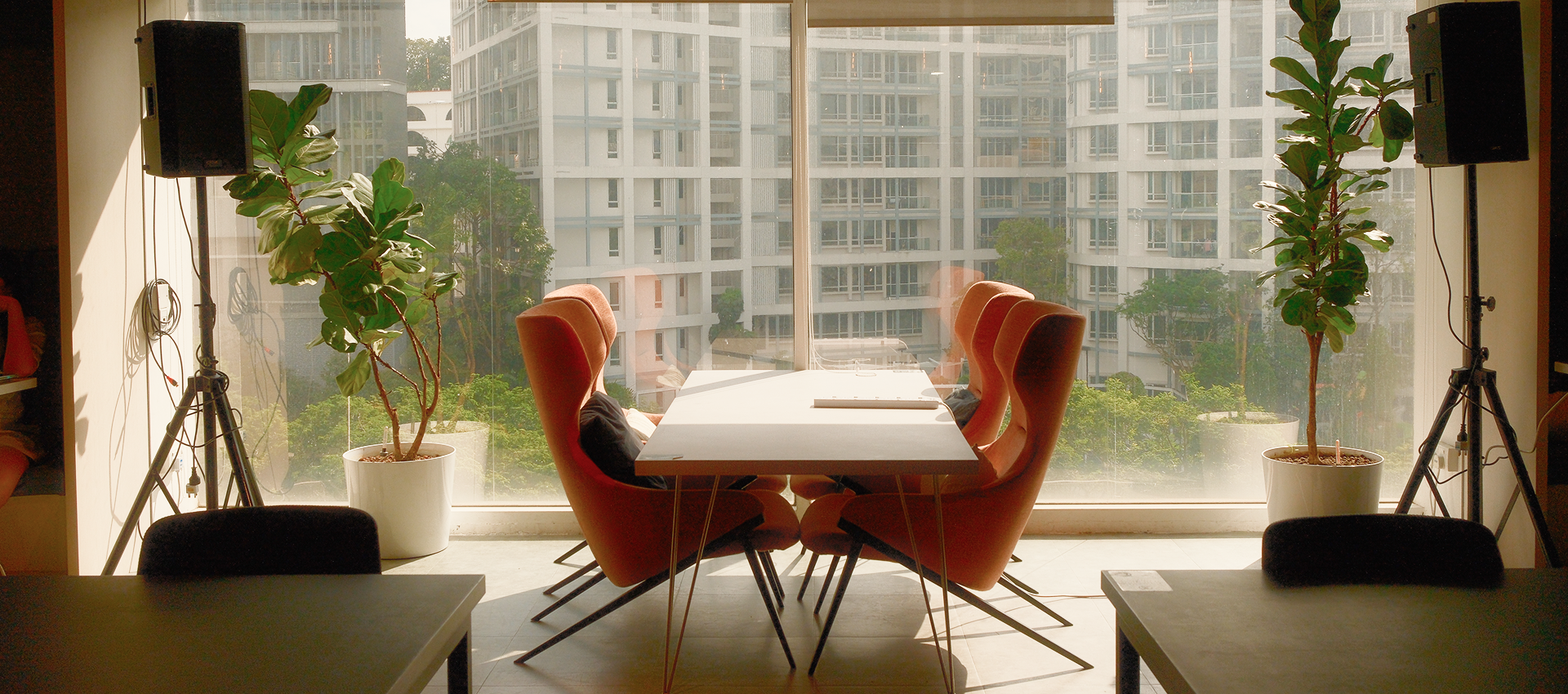
Step into a coworking space in Singapore, and you’ll notice how everything feels intentional, from its prime location near the CBD or MRT stations to the warm, light-filled interiors that instantly boost your mood. Accessibility plays a big part in those first impressions, especially for professionals on tight schedules.
One standout example is Workcentral, widely recognised as one of the best coworking spaces in Singapore. Located right in the heart of Dhoby Ghaut, it offers a cosy, modern environment that strikes the perfect balance between comfort and productivity.
Clearly, when you’re searching “day in the life coworking Singapore” across the internet, you’ll definitely be surprised.
The space features ergonomic furniture, multiple work zones for focused tasks or collaboration, and intentionally designed suites that cater to businesses of all sizes. Its central spot between Orchard Road and the CBD makes it easy for professionals to commute and meet clients without hassle.
The ambience at Workcentral reflects what great coworking design should feel like:
Professional yet relaxed.
Dynamic yet comfortable.
It really boosts your coworking Singapore productivity at its peak.
The natural lighting, clear signage, and attentive support team make it easy for members to feel productive from the moment they arrive.
Midday Flow, Community Interactions
By midday, coworking spaces come alive. Conversations buzz around the shared kitchen, members grab lunch together, and impromptu brainstorms unfold over coffee. This is when the community energy really shines.
Most coworking spaces in Singapore nurture this through planned events, workshops, and casual networking sessions. You’ll often see community managers facilitating introductions or curating activities that help freelancers, startups, and corporate teams connect.
Quiet Times vs Busy Times
Coworking spaces have their own rhythm. In Singapore, mornings and early afternoons are usually the busiest, with most people tackling client meetings and deadlines. The energy peaks between 10 AM and 2 PM. By late afternoon, things slow down, making it a great time for deep work, video calls, or wrapping up reports without too much background noise.
Many coworking spaces also offer 24/7 access, giving night owls and startup founders a chance to work during off-peak hours.
At Workcentral, members can take advantage of flexible membership packages that suit individual schedules and company sizes, from solo entrepreneurs to established firms like VISA, Fossil, and Accenture. The flexibility to work when and how you want is a big part of what makes Workcentral stand out.
What Tasks Are Ideal Here / What’s Not Ideal
Coworking spaces are perfect for tasks that need flexibility, focus, and collaboration. They work best for client meetings, remote work, content creation, or brainstorming sessions that thrive in a creative yet structured setting. The reliable Wi-Fi, meeting rooms, and access to amenities make it easy to stay productive throughout the day.
However, not every task fits the shared environment. Projects that demand total silence, high confidentiality, or heavy technical equipment are better suited to private offices or soundproof pods.
Fortunately, Workcentral caters to these needs too, offering dedicated suites and private rooms that ensure privacy when it’s required.
Ultimately, coworking in Singapore is about joining a thriving ecosystem of professionals who value flexibility, community, and thoughtful design.
Home Setting
Morning Start (Routine, Distractions)
Working from home can be both a blessing and a challenge.
A structured morning routine is one of the best ways to stay productive. Setting a clear start time, preparing your task list in advance, and creating a dedicated workspace separate from your living area all help signal that the workday has officially begun.
Distractions at home come in many forms. Notifications pop up, chores compete for attention, and it’s easy to slip from “checking one message” to scrolling endlessly. The solution is to set clear boundaries and stick to small, consistent habits.
Morning rituals like making coffee, reviewing priorities, or doing a quick stretch can help you mentally transition into work mode and maintain focus throughout the day.
Midday Slump or Energy Dips
Even with a solid start, energy tends to dip during the day. Many remote workers feel this mid-morning or mid-afternoon, often due to natural circadian rhythms. Sitting too long, dim lighting, and poor food choices can make it worse.
You can prevent the slump by taking short breaks, stretching, or stepping outside for sunlight. Choosing healthy snacks such as nuts, fruit, or protein-rich options keeps your energy stable. Some professionals switch to lighter tasks during low-energy hours to stay productive without pushing too hard.
A bit of movement and variety can make a big difference.
Interruptions (Family, Chores, etc.)
Home is full of potential interruptions. Family members, pets, deliveries, or chores can easily disrupt your focus. Parents often find it difficult to maintain long periods of uninterrupted work, especially when family routines clash with meeting schedules.
The key is clear communication.
Setting quiet hours, syncing family routines, or arranging childcare when possible can help protect work time. Many remote professionals use visual cues like “busy” signs or headphones to signal when they should not be disturbed.
It’s not about creating a perfect setup but about maintaining consistency so everyone at home understands your work rhythm.
Tasks That Benefit from Home vs Those That Suffer
Working from home is great for tasks that require deep concentration, creativity, or independent focus. Writing, research, and planning fit well in this environment because you can control your space and eliminate distractions.
However, not every task thrives at home. Projects that depend on close collaboration, confidential discussions, or specialised tools work better in shared spaces or offices.
Limited peer interaction can also slow down problem-solving or idea generation.
When used wisely, the home setting becomes a place for deep work and reflection. It offers flexibility and comfort, allowing you to perform your best when tasks match the environment.
The key is knowing which activities belong at home and which are better suited elsewhere.
Comparative Reflection & Tradeoffs
Cost and Time Tradeoff
In the discussion of coworking vs café Singapore, both cost and practicality play a central role. A typical café visit might set professionals back SGD 6 to 10 for a drink and a few hours of work, but the environment comes with unpredictability—noise, limited sockets, and crowded tables.
On the other hand, coworking spaces in Singapore offer flexible day passes, generally ranging from SGD 30 to 70 (before GST), with guaranteed Wi-Fi stability, ergonomic seating, and access to meeting or focus rooms.
When factoring in commuting, both options remain accessible, as coworking spaces and cafés alike are found in central locations such as Orchard, Raffles Place, and Tanjong Pagar. However, the coworking option saves time otherwise lost in café-hopping or dealing with interruptions.
For busy professionals, that reliability translates into higher daily output and reduced stress.
Energy, Focus, and Change of Scenery
Energy management throughout the workday directly impacts performance. Cafés often spark short bursts of creativity through ambient chatter and aroma-filled environments, but prolonged exposure can drain concentration.
Working from home, while convenient, introduces common distractions such as household noise, family interactions, and chores that blur the boundary between personal and professional life.
Coworking spaces strike a balance by offering both social energy and designated quiet zones. The physical transition to a shared professional setting signals “work mode,” improving focus and motivation.
This makes them a preferred choice when evaluating coworking vs home productivity, as they deliver consistency without the monotony or distractions of home setups.
Best Fit per Task Type
Each workspace supports different types of tasks. Cafés encourage creative thinking, brainstorming, and short collaborative sessions, making them ideal for ideation-heavy work. Home offices suit administrative or analytical tasks that require minimal external input but struggle with accountability and routine fatigue.
Meanwhile, coworking spaces combine the best of both worlds.
For professionals who switch between strategic planning, client management, and creative execution, coworking environments offer adaptable work conditions that sustain productivity across all phases of the day.
Choosing the Right Environment for Your Productivity
Finding the right place to work isn’t just about comfort; it’s about alignment. The best environment matches your mindset, supports your goals, and adapts to the rhythm of your day. In Singapore’s fast-paced but flexible work culture, that balance matters more than ever.
What Environment Suits Whom
Each workspace tells a different story.
Coffee shops spark creativity and social energy, perfect for short sprints, light ideation, or informal catch-ups. They’re the go-to for quick bursts of inspiration, though often limited by space, noise, and unpredictability.
Home offices serve as sanctuaries for deep concentration. They’re ideal for research, writing, or focused execution, provided you can manage distractions and keep a clear boundary between work and rest.
Then there’s the coworking space, the modern middle ground. It combines the focus of an office, the freedom of remote work, and the collaborative spirit of a community.
For professionals who crave flexibility without losing structure, coworking becomes a lifestyle.
Practical Advice for Singapore-Based Professionals
Singapore’s professionals thrive when they design their workday around energy, not geography.
Start the week at home to plan, prioritise, and reset.
Move midweek to a coworking space to collaborate, focus, and connect.
End the week in a café to reflect, recharge, and reset your creativity.
This cycle keeps energy balanced and maximises productivity through intentional variety. With coworking hubs across the city, from Dhoby Ghaut to Orchard to the CBD, professionals have access to spaces designed to elevate focus, not just house it.
Why Workcentral Is Worth a Try
If you’re serious about levelling up your productivity in Singapore, Workcentral offers that sweet spot between flexibility and structure.
Located in the heart of Dhoby Ghaut, it’s built for professionals who demand more from their workspace: ergonomic comfort, community energy, and the freedom to work your way.
Whether you’re a freelancer, startup founder, or corporate team, Workcentral’s memberships let you test the space on your own terms. You get a vibrant, inspiring atmosphere with reliable Wi-Fi, comfortable zones, private meeting rooms, and a thriving network of driven individuals.
Your best work deserves the right setting, one that works as hard as you do.
Experience the difference for yourself. Try a Workcentral day pass today and see how the right environment can redefine your productivity.
